“O mestre-sala dos mares” (Aldir Blanc, 1974)
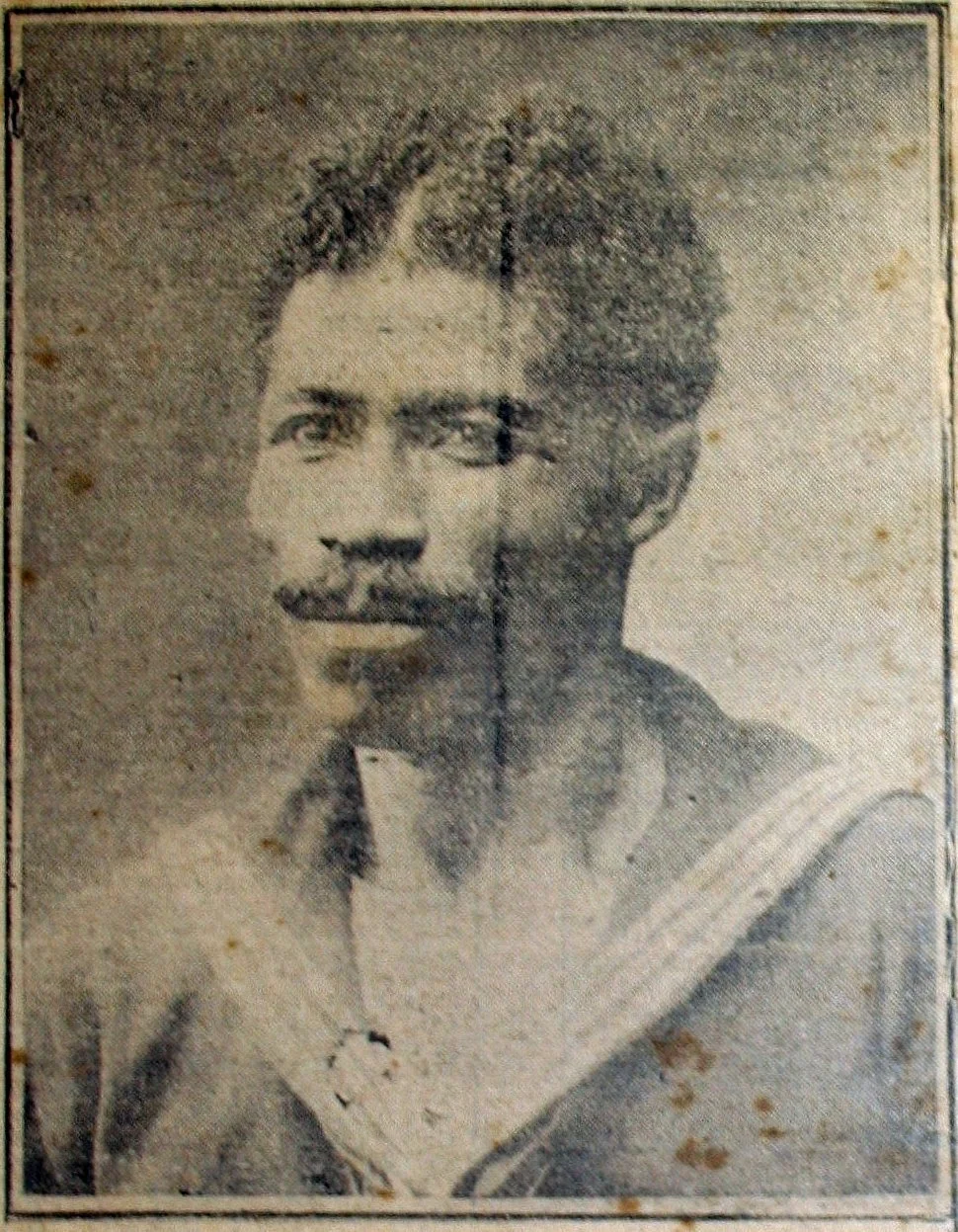
Source: Jornal Gazeta de Notícias de 31 de dezembro de 1912, publicada, manchete, há mais de 100 anos. Domínio Público., Public domain, via Wikimedia Commons
Today Aldir Blanc joins the growing list of MPB greats with a 2026 80th birthday. Blanc, who died of Covid-19 in 2020, was an author and lyricist who collaborated with a number of musicians, most notably João Bosco and Elis Regina. Today’s translation is a song about João Cândido, nicknamed the “Almirante Negro” (“Black Admiral”) (or “Navigante Negro” here). Cândido led the 1910 Revolta da Chibata (Revolt of the Lash) and is, coincidentally, the subject of a play staged by Teatro União e Olho Vivo that is one of the chapters of my dissertation.
The word “mestre-sala” in the title is perhaps the most notable translation issue in this song. The “mestre-sala” is one of two people who lead a samba school during the Carnaval parade, along with the porta-bandeira (standard-bearer). It is sometimes translated as “master of ceremonies (for a samba school)” but I have chosen to leave it untranslated at it really is its own sui generis thing. I also hesitated about the word “regatas” which in modern Portuguese usually means “tank tops”; but I had a hard time reconciling that with the other lyrics so I’ve gone with the older cognate of “regattas.” Finally, I’ve chosen to leave “mulata” untranslated as well, since there isn’t a single (non-problematic) term in English that serves the same purpose and because the concept of mixed-race people is so integral to the story of João Cândido and to the history of Brazil.
“O mestre-sala dos mares”
Há muito tempo nas águas da Guanabara
O dragão do mar reapareceu
Na figura de um bravo feiticeiro
A quem a história não esqueceu
Conhecido como Navegante Negro
Tinha a dignidade de um mestre-sala
E ao acenar pelo mar na alegria das regatas
Foi saudado no porto pelas mocinhas francesas
Jovens polacas e por batalhões de mulatas
Rubras cascatas
Jorravam das costas dos santos entre cantos e chibatas
Inundando o coração do pessoal do porão
Que a exemplo do feiticeiro gritava, então
Glória aos piratas, às mulatas, às sereias
Glória à farofa, à cachaça, às baleias
Glória a todas as lutas inglórias
Que através da nossa história
Não esquecemos jamais
Salve o Navegante Negro
Que tem por monumento
As pedras pisadas do cais
Mas faz muito tempo
“The mestre-sala of the seas”
A long time ago in the waters of Guanabara
A dragon reappeared in the sea
In the form of a brave sorcerer
Who history has not forgotten
Known as the Black Navigator
He had the dignity of a mestre-sala
And when waving from the sea amid the joy of the regattas
He was welcomed in port by French ladies
Young polish women and by battalions of mulatas
Ruby-colored waterfalls
Gushed from the backs of the saints amid songs and lashes
Flooding the hearts of the crew in the hold
Who following the sorcerer’s example screamed, then
Glory to the pirates, to the mulatas, to the mermaids
Glory to farofa, to cachaça, to whales
Glory to all the inglorious battles
That throughout our history
We will never forget
Hail the Black Navigator
Whose has as his monument
The trodden stones of the docks
But that was a long time ago